
Master Nutrition for Peak Men's Performance
Science-backed dietary strategies to enhance strength, energy, and overall wellness. Your complete guide to fueling your body right.

Essential Nutrition Pillars for Men
Discover the fundamental nutritional strategies that support muscle development, energy levels, and long-term health. Each pillar addresses a key aspect of male wellness.
Protein & Muscle Building
Strategic protein intake optimizes muscle repair and growth. Learn the timing, portions, and best sources to maximize your training results and support athletic performance.
Energy & Metabolism
Fuel your body with smart carbohydrate and fat choices. Understand how to maintain consistent energy levels throughout the day while supporting metabolic function and workout intensity.
Micronutrients & Wellness
Vitamins, minerals, and antioxidants are crucial for immune function, bone health, and hormonal balance. Discover which nutrients matter most and where to find them in whole foods.
Hydration & Recovery
Proper hydration supports every bodily function from muscle performance to cognitive clarity. Learn optimal daily intake, electrolyte balance, and how hydration impacts your fitness goals.
Cardiovascular Health
Support heart health through strategic dietary choices. Explore omega-3 fatty acids, whole grains, and nutrients that promote cardiovascular function and longevity.
Cognitive & Mental Clarity
Nutrition directly impacts mental performance and focus. Learn which foods and nutrients support brain function, concentration, and overall cognitive wellness in daily life.
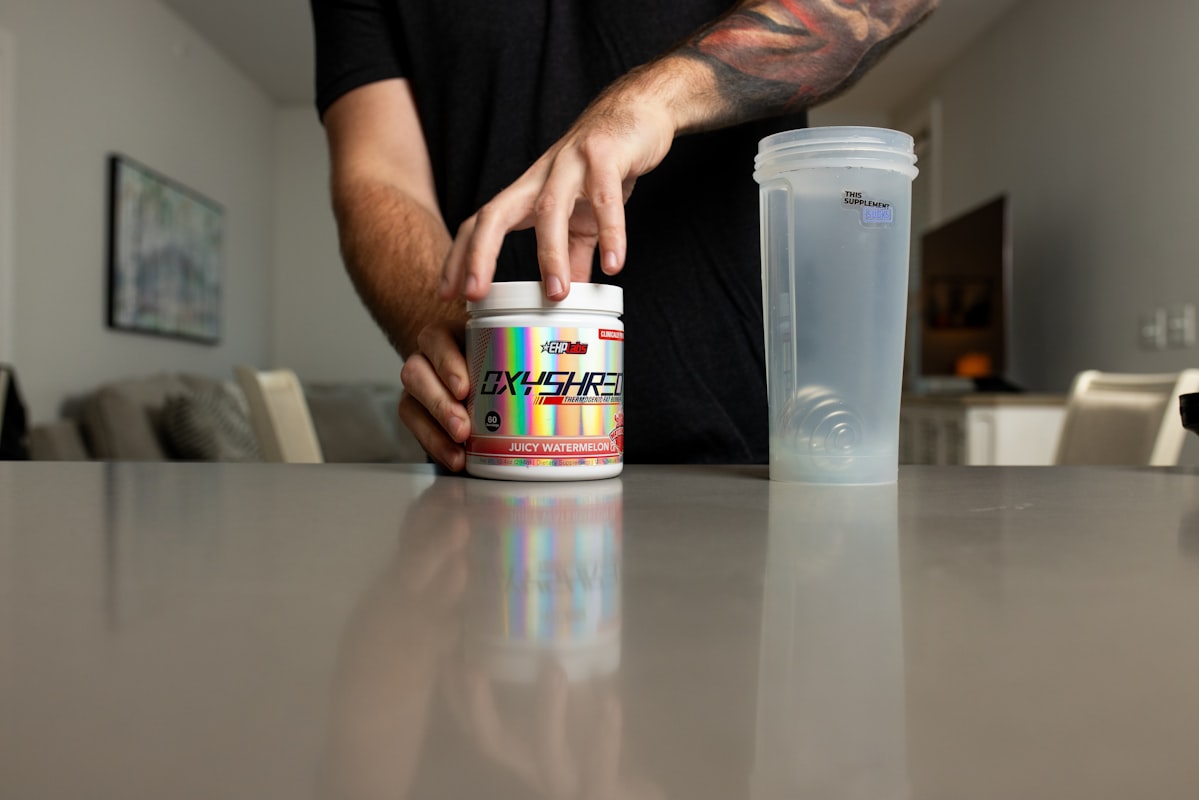
Why Evidence-Based Nutrition Matters for Men
Male physiology has unique nutritional demands. From hormonal balance to muscle metabolism, your body requires specific nutrients and timing to perform at its peak. Understanding these principles transforms not just your appearance, but your energy, strength, and long-term health.
- Hormonal Optimization: Strategic macronutrient balance supports healthy hormone production and regulation.
- Muscle Recovery & Growth: Precise protein intake and nutrient timing maximize training adaptations.
- Sustained Energy: Proper nutrition maintains steady energy levels throughout intense workdays and workouts.
- Long-Term Wellness: Preventative nutrition supports bone health, cardiovascular function, and aging well.
Step-by-Step Path to Better Nutrition
Transform your diet progressively with proven strategies. Each step builds on the last, creating sustainable habits that deliver real results.
Assess Your Current Diet
Start by tracking what you actually eat for one week. This baseline reveals patterns, gaps, and opportunities. Understanding your current intake is the foundation for meaningful change. Look for imbalances in protein, carbs, fats, and micronutrients that may be limiting your performance.
Define Your Goals & Needs
Are you building muscle, increasing energy, improving athletic performance, or supporting overall wellness? Your specific goals determine calorie targets, macronutrient ratios, and meal timing. Different objectives require different nutritional strategies. Be honest about what matters most to you.
Build Your Nutrition Framework
Create a personalized eating structure based on your goals. This includes daily macronutrient targets, preferred meal times, food choices you enjoy, and strategies for meal preparation. Your framework should be sustainable and flexible enough to fit your lifestyle. Simple doesn't mean boring—variety keeps nutrition interesting.
Execute, Monitor & Adjust
Implement your plan consistently while tracking progress. This might include energy levels, workout performance, body composition, or how clothes fit. After 3-4 weeks, assess results and make small adjustments. Sustainable success comes from continuous refinement, not perfection from day one.
Real Nutrition Examples
See how different nutritional approaches support various fitness and wellness goals. These examples demonstrate the flexibility and personalization within a science-based framework.

Muscle Building Day Plate
Grilled chicken breast (35g protein), brown rice (50g carbs), roasted vegetables with olive oil, and a piece of fruit for post-workout carbs. This combination supports muscle recovery and replenishes energy stores.
Learn timing and portion strategies in our detailed guides.

Balanced Maintenance Meal
Salmon fillet (25g protein, omega-3s), sweet potato, mixed greens salad, and nuts. This plate provides sustained energy, supports cardiovascular health, and maintains steady hormone balance throughout the day.
Explore micronutrient sources and health benefits in our content.

Pre-Workout Energy Meal
Whole grain bread (40g quality carbs), lean turkey, spinach, and a banana. Consumed 90 minutes before training, this provides steady glucose release and amino acids for performance and endurance.
Discover meal timing strategies for optimal workout results.

Post-Workout Recovery Plate
Greek yogurt with berries and honey, whole wheat toast with almond butter. This combination provides protein for muscle synthesis, fast carbs to replenish glycogen, and antioxidants to support recovery.
Learn recovery nutrition science in our complete guides.

Plant-Based Protein Power Bowl
Quinoa, black beans, lentils, roasted broccoli, tahini dressing, and pumpkin seeds (30g plant protein total). Demonstrates how vegetarians and vegans can meet protein targets while maintaining complete amino acid profiles.
Read our guide on plant-based nutrition for athletic men.
Budget-Friendly Bulk Meal
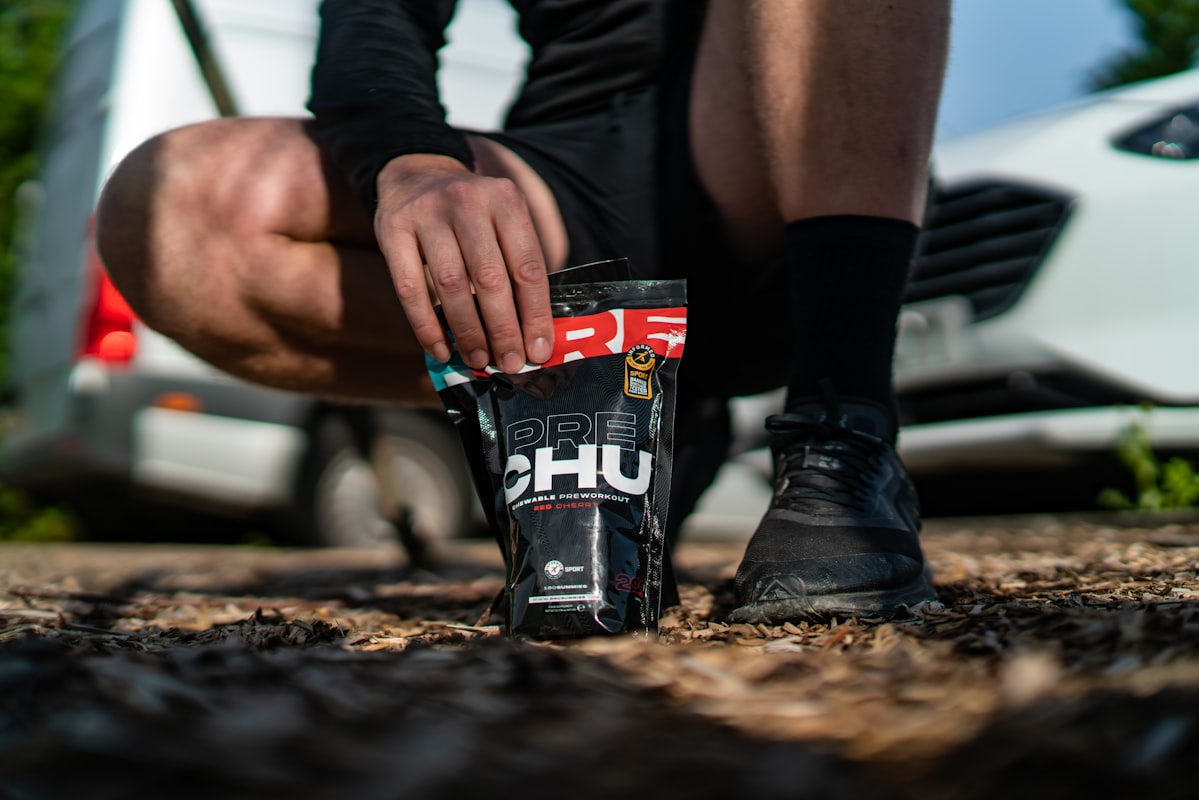
Ground beef, white rice, frozen vegetables, and a splash of oil. Economical yet nutritionally complete. This demonstrates that effective nutrition doesn't require expensive ingredients or supplements—smart shopping and meal prep are key.
Discover budget nutrition strategies and meal prep tips.
Frequently Asked Questions
Get answers to common questions about men's nutrition, dietary strategies, and how to optimize your approach for your specific goals.
How much protein do men actually need daily?
Protein requirements vary based on activity level and goals. Generally, 1.6 to 2.2 grams per kilogram of body weight is recommended for muscle building. Sedentary men can aim for 0.8g/kg. Distribute protein evenly across meals—research suggests 30-40g per meal optimizes muscle synthesis. Age, metabolism, and training intensity all influence individual needs.
Do I need supplements if I eat well?
Whole foods provide superior nutrition in most cases. However, certain nutrients like Vitamin D (especially in northern climates), Omega-3s (if not eating fish), and potentially magnesium may be harder to obtain from diet alone. Focus on food first; supplements fill specific gaps. Always prioritize a solid nutritional foundation before adding supplements.
What's the best way to time meals around workouts?
Consume carbs and protein 60-90 minutes before training for sustained energy. Post-workout, eat protein and carbs within 2 hours to support recovery. A simple approach: pre-workout snack 60 minutes before, then a balanced meal within a few hours after. Individual digestion varies—experiment to find what fuels you best.
Can I build muscle while losing fat simultaneously?
Yes, especially for beginners or those returning to training. This "body recomposition" requires adequate protein (1.6-2.2g/kg), progressive resistance training, and a modest calorie deficit (300-500 below maintenance). Progress will be slower than dedicated bulk or cut phases, but possible. Track performance and how clothes fit rather than scale weight.
How important is meal frequency?
Total daily intake matters far more than eating frequency. Whether you eat 3 meals or 5, what matters is hitting your daily protein, calorie, and micronutrient targets. Choose a frequency that fits your schedule and keeps you satisfied. Some prefer larger meals; others do better with frequent small meals.
What role does hydration play in performance?
Dehydration reduces strength, endurance, and cognitive function. A practical approach: drink to thirst and monitor urine color (pale yellow indicates good hydration). During intense exercise, aim for 500-1000ml per hour depending on sweat rate. Individual needs vary by climate, fitness level, and body composition. Proper hydration is non-negotiable for performance.
Are carbs bad for men trying to lose fat?
No. Carbohydrates aren't inherently fattening—total calories are. Quality carbs (oats, rice, vegetables, fruits) support training performance and recovery. The key is portion control and choosing complex carbs over refined sources. Many men perform better with adequate carbs than very low-carb approaches, especially if training hard.
How do I handle nutrition while traveling or eating out?
Research restaurants beforehand to find protein-rich options. Most establishments offer grilled meat, fish, eggs, and vegetables. Ask for dressing on the side and extra vegetables instead of extra carbs. When traveling, pack portable protein sources (jerky, nuts, protein powder). Perfection isn't possible everywhere, but strategic choices keep you on track.
What Our Readers Are Saying
Real experiences from men who have applied these nutritional principles to transform their health, strength, and daily performance.
"I've tried dozens of diet approaches, but nothing clicked until I understood the actual science behind nutrition. The articles here aren't hype—they're backed by real research. I've gained 8 kilograms of lean muscle in 4 months by simply following the protein and meal timing strategies. My energy levels are higher, my workouts are stronger, and I finally understand why certain foods actually matter."
Rudi Hartono
Jakarta, Indonesia
"As someone with a sedentary job, I was always exhausted and struggling with afternoon crashes. After reading the energy optimization guide, I restructured my eating pattern. Now I eat adequate carbs at specific times, increased my hydration, and my entire day feels different. I have sustained energy for my evening workouts, better focus at work, and I'm sleeping deeper. This isn't just about looking good—it's about feeling powerful."
Budi Santoso
Surabaya, Indonesia
"I'm 42 years old and was concerned about maintaining muscle and staying healthy as I age. The content here specifically addresses older male nutrition in a practical way. I appreciate that it's not complicated—just straightforward advice about protein intake, recovery nutrition, and micronutrient gaps. After 6 weeks, I'm stronger, my recovery is faster, and I feel more confident about my health long-term. This is essential reading for any serious man."
Arief Wijaya
Bandung, Indonesia
"The budget nutrition guide was exactly what I needed. I thought eating healthy meant expensive organic everything, but the strategies here show how to hit your macro targets affordably. I'm eating better than ever for less money. The meal prep tips have saved me hours per week and I'm consistently eating well. This is real, practical advice that works in the real world, not some luxury diet."
Dedi Kusuma
Medan, Indonesia
Start Learning Evidence-Based Nutrition Today
Our comprehensive articles and guides cover everything you need to optimize your nutrition for strength, performance, and long-term health. Whether you're a beginner or experienced athlete, explore our content to discover proven strategies tailored for men's unique physiological needs.
Frequently Asked Questions
Find answers to common questions about Ruggedness Realm
What makes Ruggedness Realm different?
We combine authentic wilderness expertise with modern digital resources to create the ultimate outdoor adventure platform. Our community-driven approach ensures every guide and tip is battle-tested in real conditions.
Do I need experience to join?
Absolutely not! Ruggedness Realm welcomes everyone from complete beginners to seasoned adventurers. We provide beginner-friendly guides, safety resources, and a supportive community to help you grow.
What outdoor activities do you cover?
We cover hiking, camping, rock climbing, survival skills, water sports, mountaineering, wilderness navigation, wildlife observation, and much more. New content is added regularly by our expert community.
How can I contribute to the community?
Share your adventures, write guides, submit photos, answer questions from other members, and engage in discussions. Every contribution helps build our collective knowledge base.
Is the content really free?
Yes! Ruggedness Realm is completely free. We believe knowledge should be accessible to all adventurers. Optional premium features may become available in the future, but core content remains forever free.
Ready for Your Next Adventure?
Join thousands of outdoor enthusiasts exploring the wilderness with confidence and community support.
Your safety is our priority. All guides reviewed for accuracy.